Firewall for AI Applications in Enterprise Deployments
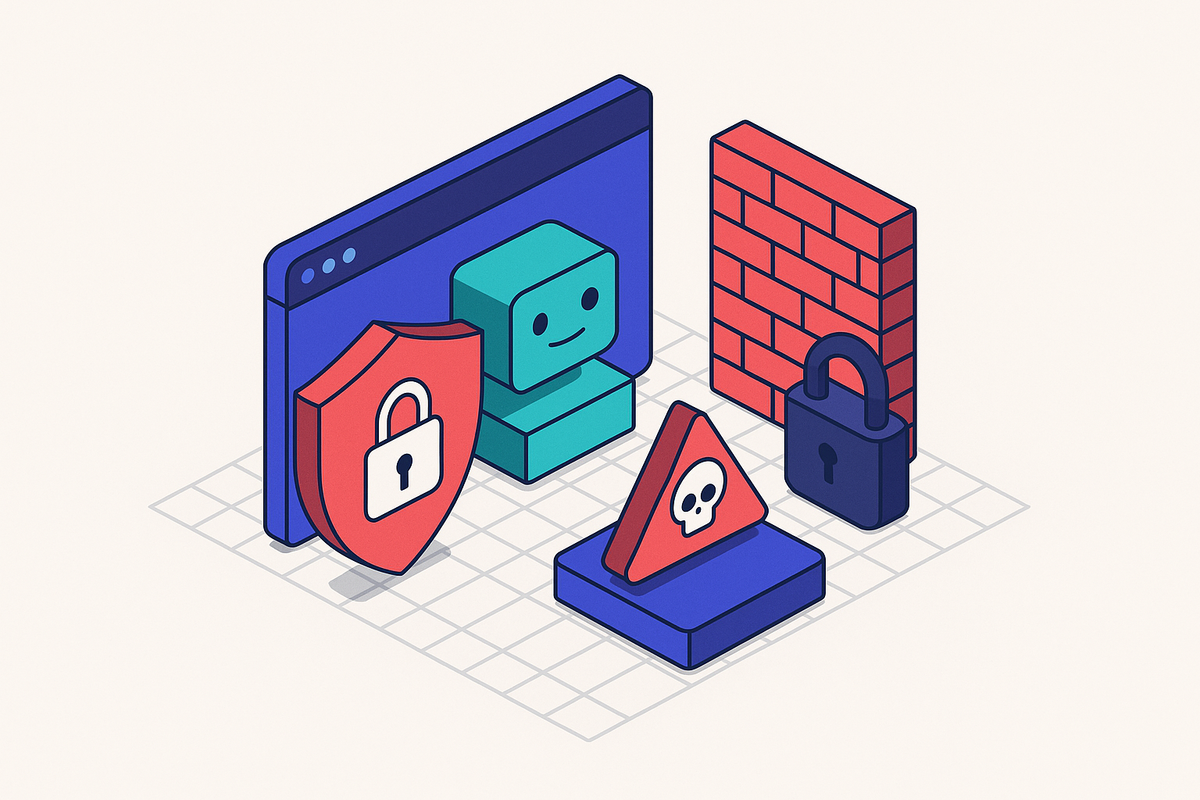
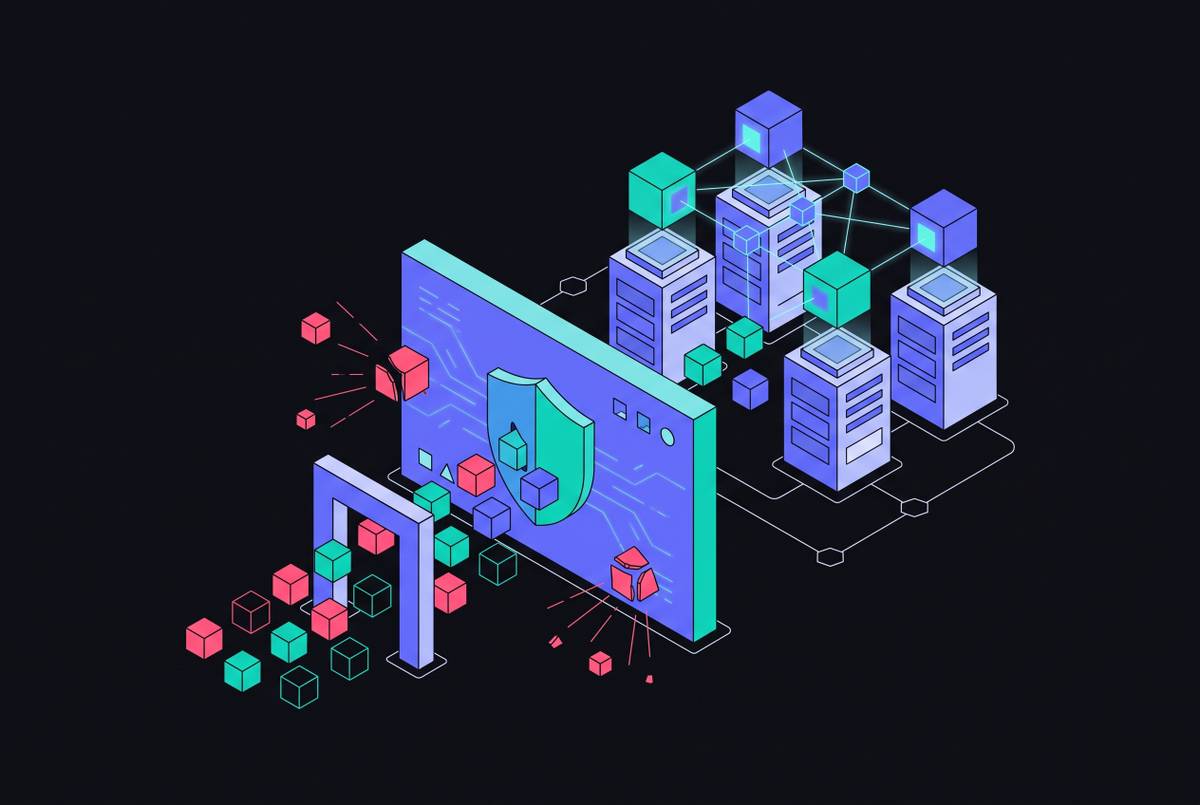
Enterprises need a new firewall layer to inspect AI prompts, not packets.
Leila Underwood
Staff Writer
Leila Underwood covers agent security & risk, access control for agents and agent deployment for AI Agents.
19 stories
Enterprises need a new firewall layer to inspect AI prompts, not packets.
AI agents exploit outdated access controls built for humans.
Enterprise security checklists designed for traditional software miss the novel risks agents pose.
AI agents need their own identity rules, not borrowed human ones.
Prompt injection attacks succeed more often against agents than containers can stop them.
Five architecture patterns shape whether AI agents ship or fail in production.
Most enterprises deploy agents without knowing they exist, let alone how to govern them.
Agents need trajectory-level monitoring, not just per-action checks.
Organizations vastly underestimate shadow AI because traditional detection tools cannot see it.
The EU AI Act imposes binding compliance with escalating penalties starting immediately.
Enterprises can't see their AI agents, and regulators can't wait for detection.
Most enterprises have documented governance frameworks they don't actually use in practice.
Attackers exploit browser agents' inherited access to steal data through hidden instructions.
Logging catches agent breaches too late; enforcement prevents them first.
Most enterprises lack controls built for how agents actually exfiltrate data.
Agents routinely hold excessive access with minimal governance.
Most AI governance exists only on paper, leaving organizations exposed to rapidly expanding risks.
AI agents inherit overprivileged credentials from developers, exposing secrets at machine speed.
Malicious tools in agent ecosystems can exfiltrate data without triggering alerts.