AWS Bedrock Agent IAM Role Scoping and Least Privilege
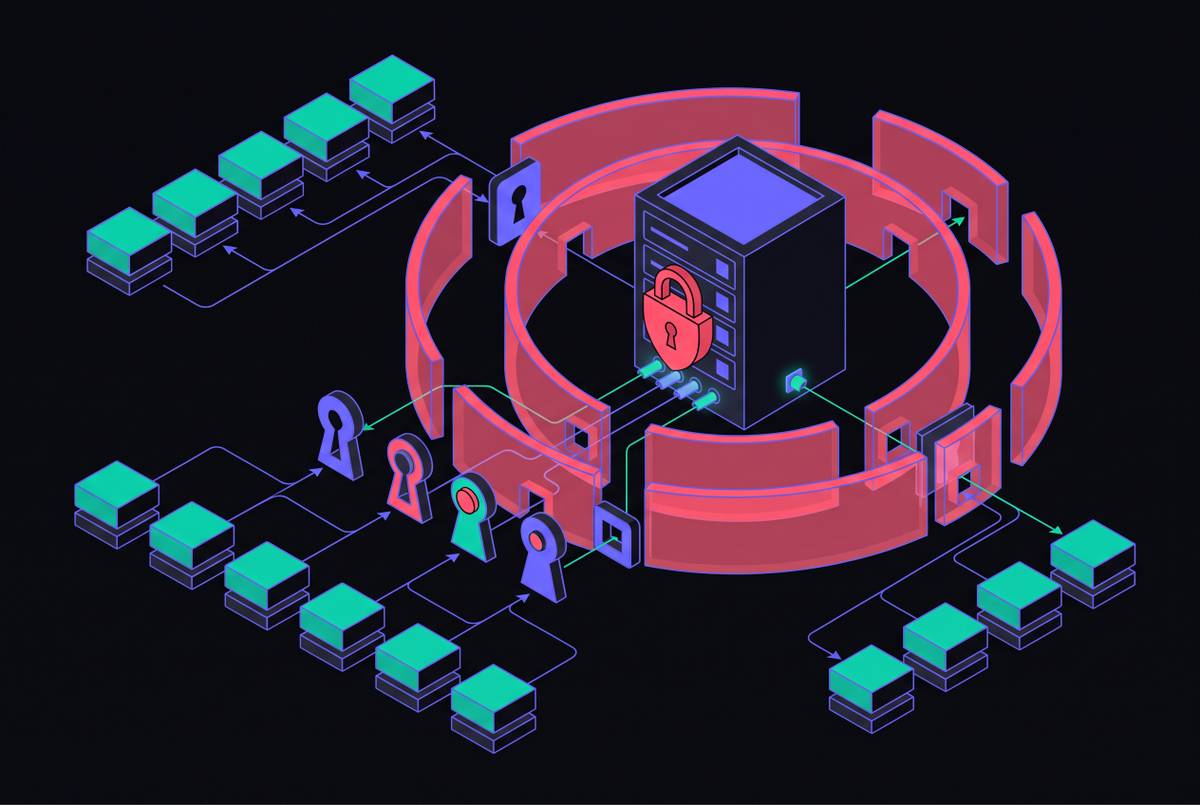
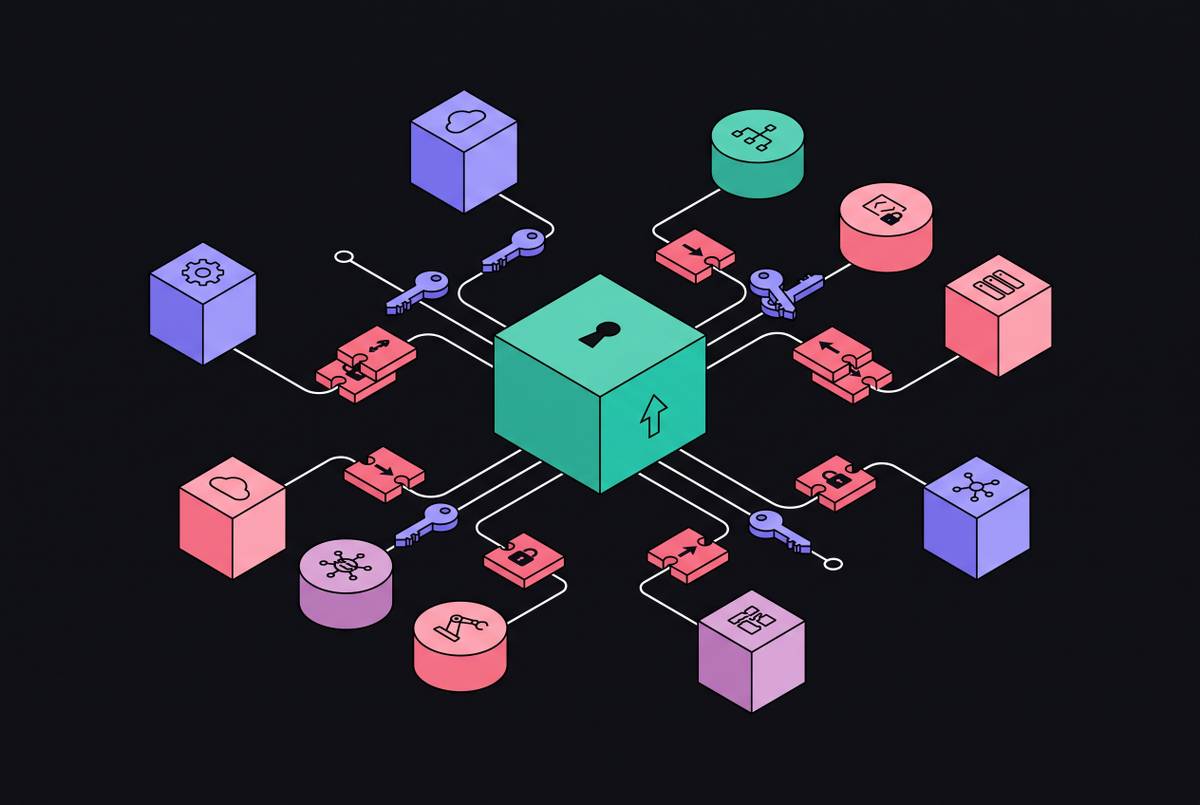
Secure Bedrock agents by scoping four IAM role layers to prevent autonomous privilege abuse.
Hana Vidal
Section
17 stories in Access Control for Agents.
Secure Bedrock agents by scoping four IAM role layers to prevent autonomous privilege abuse.
Hardening MCP servers requires OAuth, token exchange, and runtime checks beyond the spec.
Agents need credential rotation built for their own mechanics, not borrowed from human systems.
Protocol overhaul closes security gaps exposed by three production incidents.
Attackers hide malicious instructions in tool descriptions that agents blindly obey.
Why gMSA, designed for Windows services, fails to secure AI agents spawned per session.
Classical authorization systems fail when agents delegate to other agents at machine speed.
AI agents need authorization rules tied to action, resource, and context—not job titles.
Two dials control agent risk: how autonomous it is and how sensitive the data it can access.
Agents inherit broad scopes OAuth was never designed to delegate safely.
Policy-based access control is the structural requirement agents actually need.
AI agents exploit outdated access controls built for humans.
AI agents can inherit permissions that compose into actions none were authorized to take.
AI agents need OAuth patterns built for continuous operation, not human approval.
Stopping dangerous AI agent actions before they execute, not after the damage is done.
Agents need task-level access checks, not standing credentials.
AI agents outpace human identity controls faster than security teams can keep up.