Agent Communication Protocols
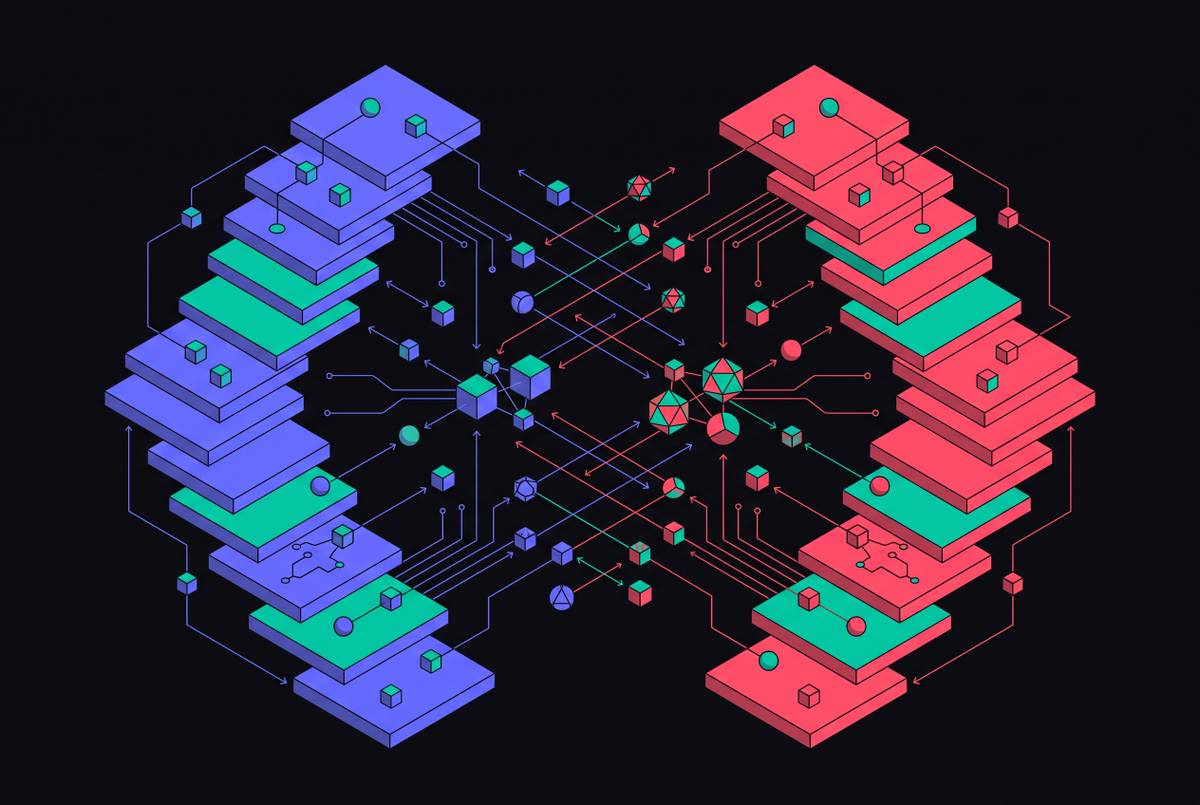
Google A2A Protocol Capability Negotiation and Trust Model
Google's agent protocol solves discovery but leaves trust to organizations.
Hana Vidal
· 8 min read
Google's agent protocol solves discovery but leaves trust to organizations.
Attackers forge agent authority by injecting instructions through unverified context sources.
Secure Bedrock agents by scoping four IAM role layers to prevent autonomous privilege abuse.
Agent-written infrastructure fails in patterns human review never catches.
AI agents turn container images into runtime attack surfaces that static scanning cannot defend.
Agents exploit insecure infrastructure defaults faster than humans ever could.
OWASP split AI security into two frameworks because models now act, not just talk.
Autonomous AI systems demand new security controls around what agents do, not just what they say.
Hardening MCP servers requires OAuth, token exchange, and runtime checks beyond the spec.
Stopping an agent's process leaves its credentials live and fully authorized to act.
Organizations are doubling agent deployments without naming who owns them.
Agents need credential rotation built for their own mechanics, not borrowed from human systems.