Agent Security & Risk
Remote Access Trojan Techniques Adapted for AI Agent Channels
Attackers are reusing classical malware tactics against AI agents as new targets for compromise.
Leila Underwood
· 9 min read
Attackers are reusing classical malware tactics against AI agents as new targets for compromise.
AMaaS handles login and permissions but only for systems you already know about.
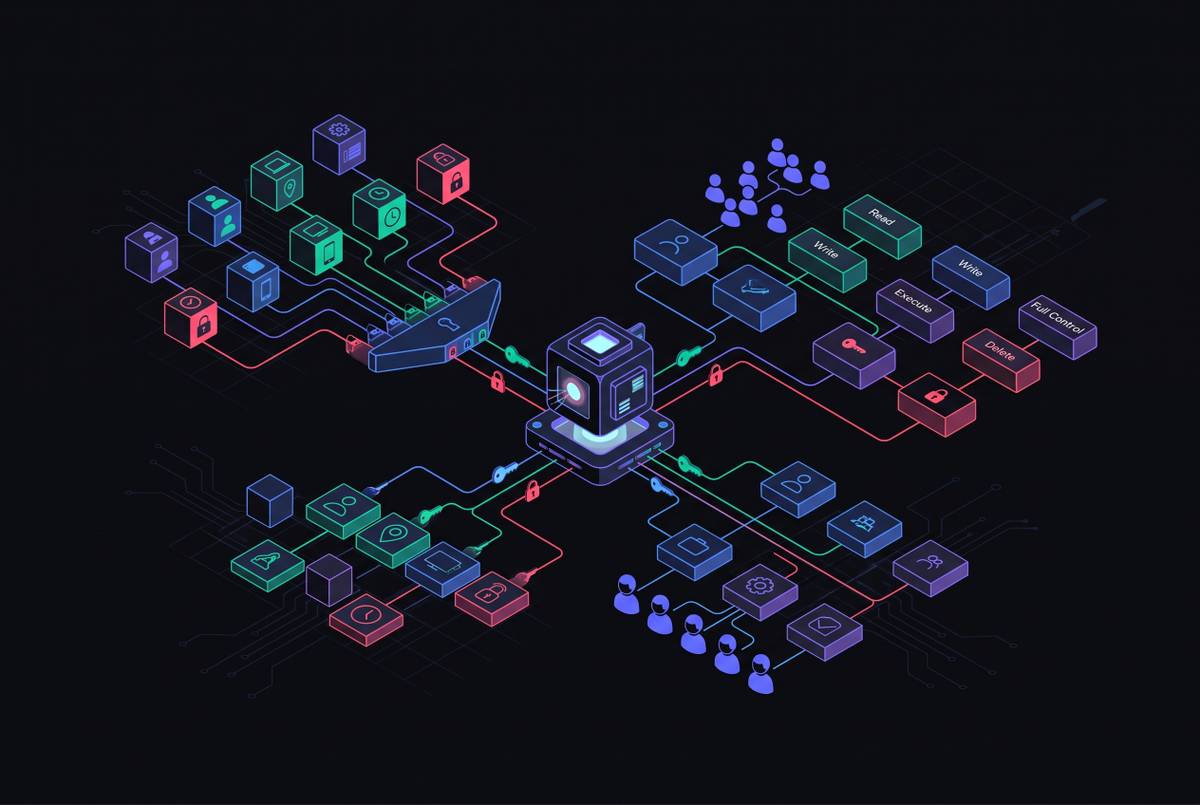
AI agents need authorization rules tied to action, resource, and context—not job titles.
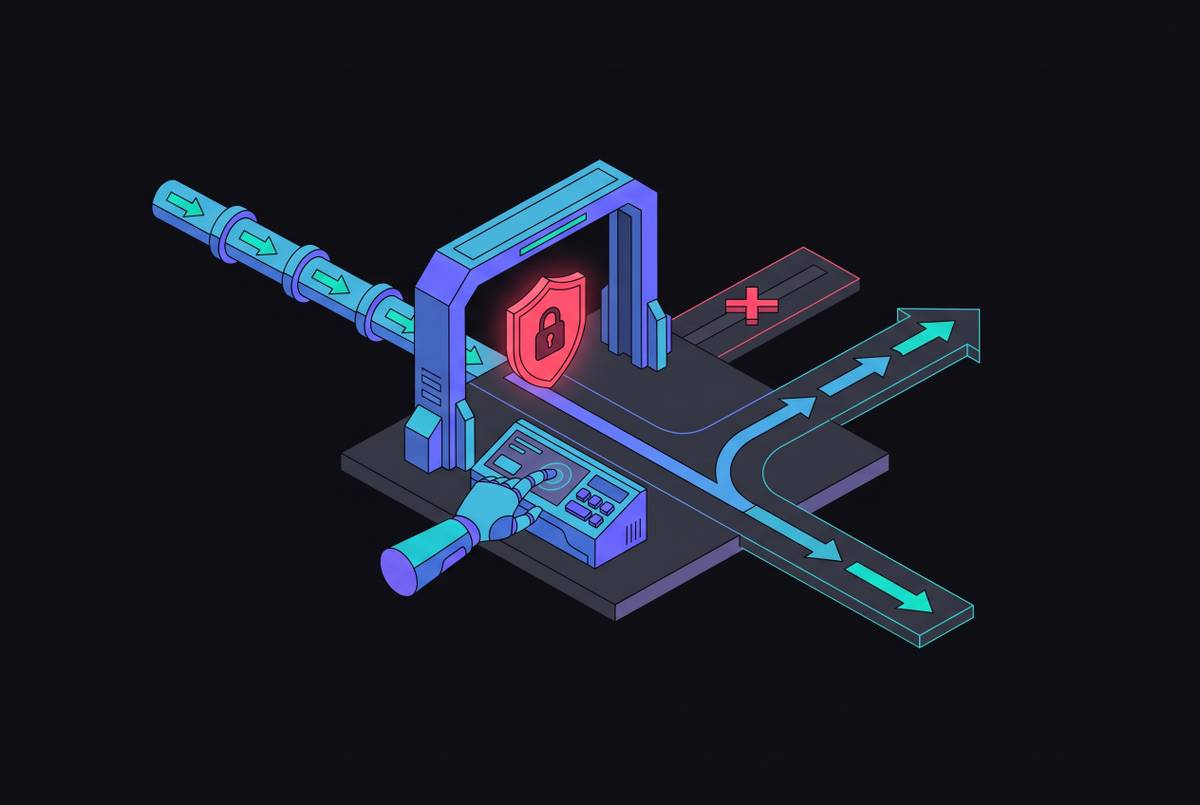
Enterprises need a new firewall layer to inspect AI prompts, not packets.
Two dials control agent risk: how autonomous it is and how sensitive the data it can access.
Companies must choose which agent actions need human approval to prevent irreversible mistakes.
Agents inherit broad scopes OAuth was never designed to delegate safely.
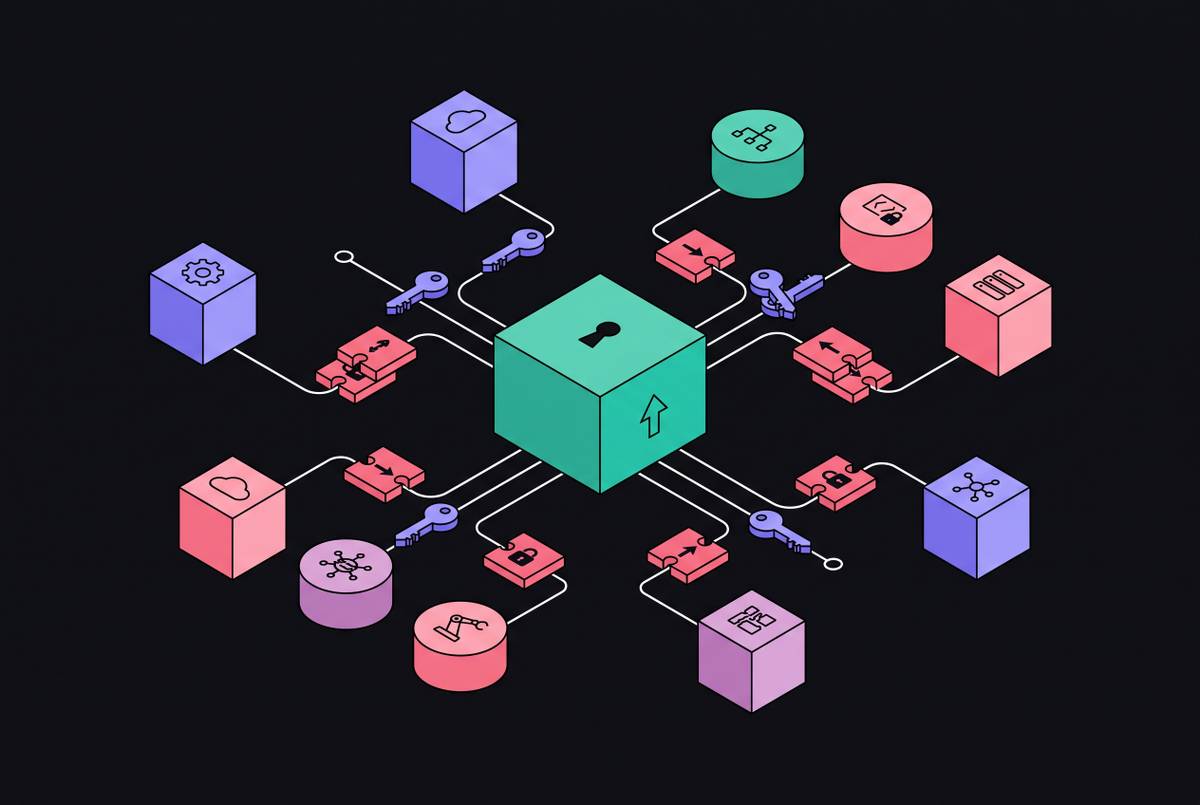
Enterprise operations depend on machine identities long before AI agents arrive on the scene.
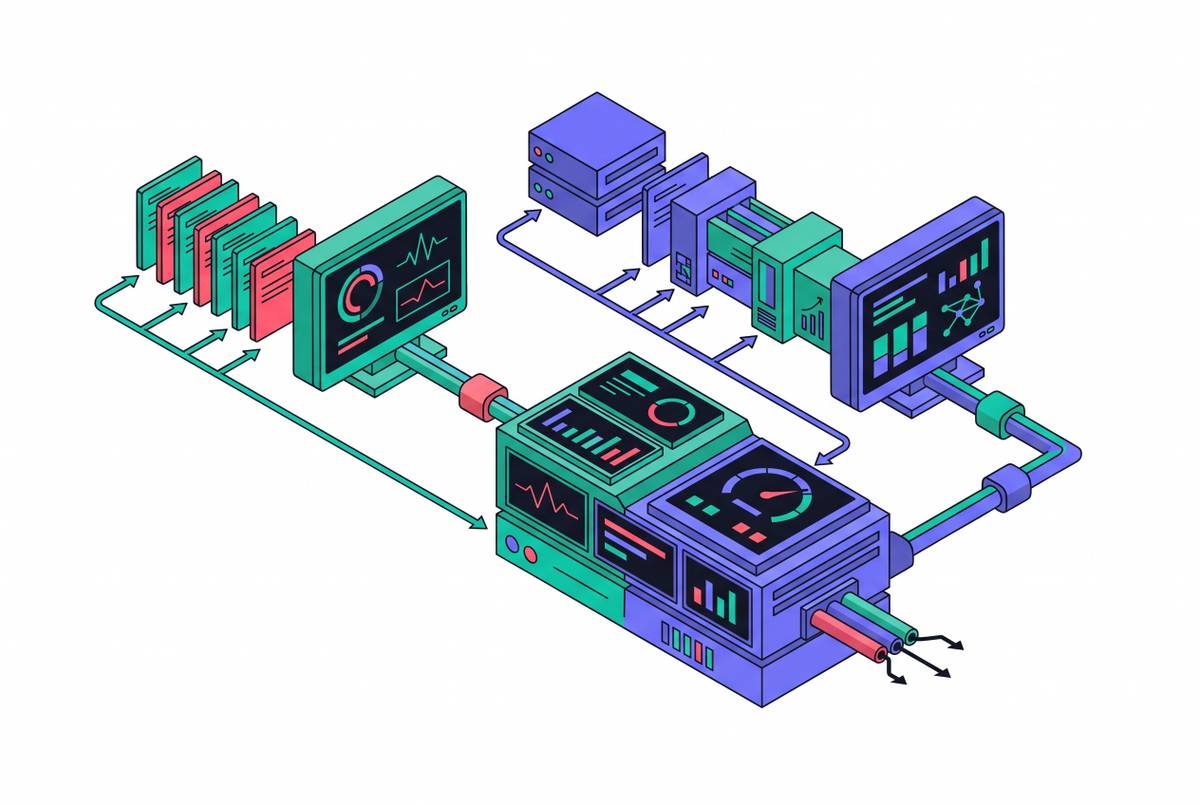
Six observability platforms compared on what actually catches silent agent failures.
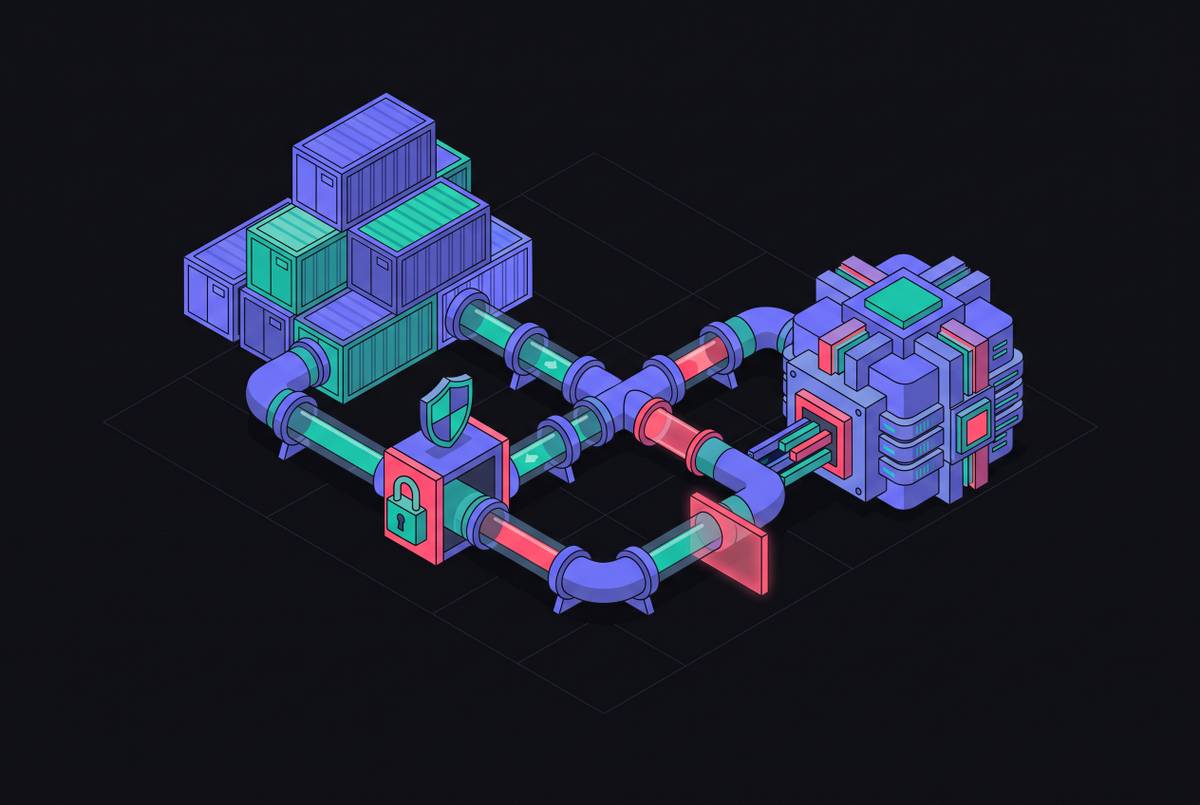
Secure container registries by mapping controls to build, runtime, and distribution layers.
Policy-based access control is the structural requirement agents actually need.
Autonomous coding agents act without human approval, exposing security gaps.